
Cleaning and Sanitization in Hotels and Restaurants: Essential Practices to Protect Guests and Reputation
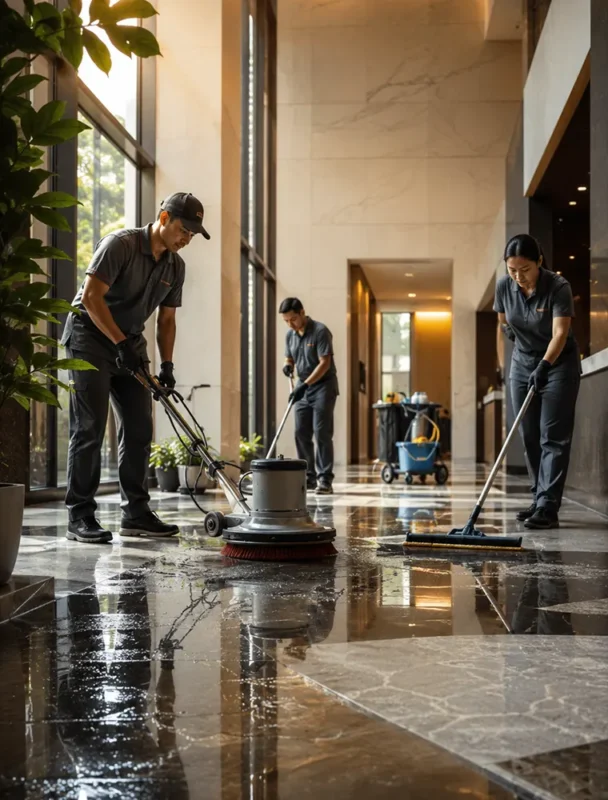
In hospitality, guests judge a place before they taste a dish or try a bed: by the smell of the lobby, the shine of the floors and the cleanliness of the washrooms. In the age of online reviews, a single comment about cleanliness can sway many decisions. But it goes deeper than first impressions: cleaning and sanitization in hotels and restaurants are part of guests’ health, food safety and the facility’s compliance with the health requirements set by the competent authorities.
Cleaning, disinfection and sterilization: what is the difference?
- Cleaning: removing dust, stains and grease from surfaces; the first step, without which the others do not work.
- Disinfection: reducing germs on surfaces to a safe level with approved products.
- Sterilization: eliminating micro-organisms to a higher degree, used for the most sensitive areas and tools.
Confusing these stages is common, and applying a disinfectant to a surface that is not clean does not achieve the goal. A good programme therefore always starts with cleaning, then decides where disinfection is enough and where sterilization is needed.
Kitchens and food preparation areas
- Separate utensils and chopping boards for raw and cooked food, with clear colour coding.
- Clean and disinfect preparation surfaces between tasks, not only at the end of the day.
- Look after hoods, grease traps and drains to prevent build-up of grease and odours.
- Monitor and record refrigeration and freezer temperatures.
- Staff personal hygiene, hand washing and protective equipment.
Guest rooms
A standard checklist for every room ensures nothing is forgotten: changing linen, disinfecting high-touch surfaces such as door handles, remote controls and light switches, cleaning and sanitizing the bathroom, and airing the room. Supervision through random inspections keeps the standard consistent from one room to the next.
Public areas
The lobby, lifts, dining halls and public washrooms carry the most traffic and need frequent cleaning schedules throughout the day, not just once. Deploying teams according to peak times keeps these areas at their best all day.
The right products and equipment
Choosing the right product for each surface protects both guests and surfaces: marble is different from wood, and fabrics from glass. Approved products at the correct concentrations, and modern equipment such as steam cleaners and floor polishing machines, improve results and reduce waste.
Training, follow-up and records
The best plans do not work without trained teams who understand the reason for each step. Regular training, checklists, spot inspections and records of the work done all keep the standard of cleanliness steady, independent of any one person.
When should you hand it to a specialist company?
When you want your team free to serve guests, with a consistent standard to clear criteria. Dawam Al Oula provides cleaning and sanitization for commercial and hospitality facilities, within a system that includes hotel management, restaurant operations and catering services.
Frequently asked questions
Is daily disinfection enough without deep cleaning?
No. Regular deep cleaning reaches what daily cleaning does not, such as behind equipment, air vents and carpets, and prevents dirt and odours from building up.
How do we keep a consistent standard between shifts?
With standard checklists for each area, a clear handover between shifts, supervision through regular inspections, and records of the work done.
Would you like a cleaning programme suited to your facility? Request the service or contact us.